Best Places To Visit in Spain
Barcelona
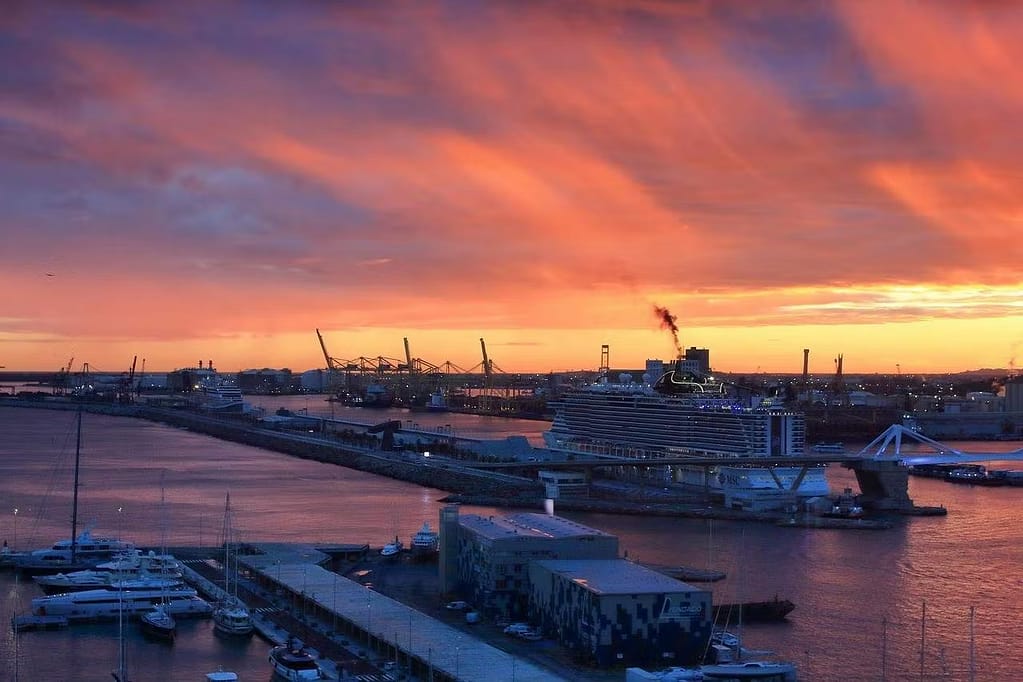
Barcelona is a city with a diverse array of culture and heritage, combined with modernist architecture, history, and bright sunshine illuminating the Mediterranean way of life. The city’s personality can be experienced throughout its many different, lively neighbourhoods and coastlines; however, its identity is primarily due to the impact of Antoni Gaudí. The city’s architectural landscape unites the curve of fantastical Modernist architecture with the solidity of a medical stone. In addition, the Gothic Quarter provides access to the city’s Roman and mediaeval influences, while the Eixample provides a space that serves as an outdoor museum of Modernist Art. The Basílica de la Sagrada Família, which is the pinnacle of the city’s architectural achievements, is an unfinished architectural marvel composed of both Gothic and Art Nouveau styles arranged with curved lines to create a unique effect. Each of these elements makes it a unique structure, as well as a symbol of the city’s architectural richness and beauty. Biblical scenes are depicted on its elaborate facades and tall spires. The interior boasts a forest of columns and vibrant stained glass that creates a kaleidoscope of the night. Park Güell is a public park system which is composed of gardens and architectural elements that showcase Gaudí’s naturalist phase. Famous for its multicoloured mosaic Lizard and the serpentine benches. Offers sweeping panoramic views of the city and the sea from its main terrace.The Casa Batlló is often known as the “House of Bones” due to its organic skeleton designs and shimmering facades. It’s known for its roofs designed to look like the back of a Dragon. The interior features of this building are unique: light wells and flowing wooden door frames with no straight lines.
Coastal life and Beaches
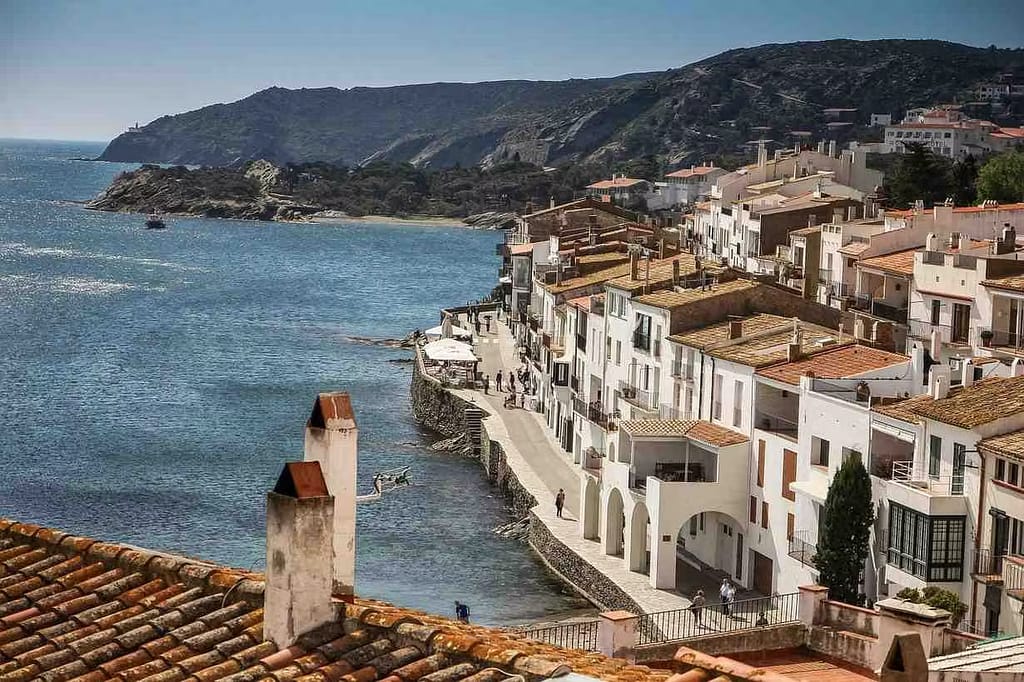
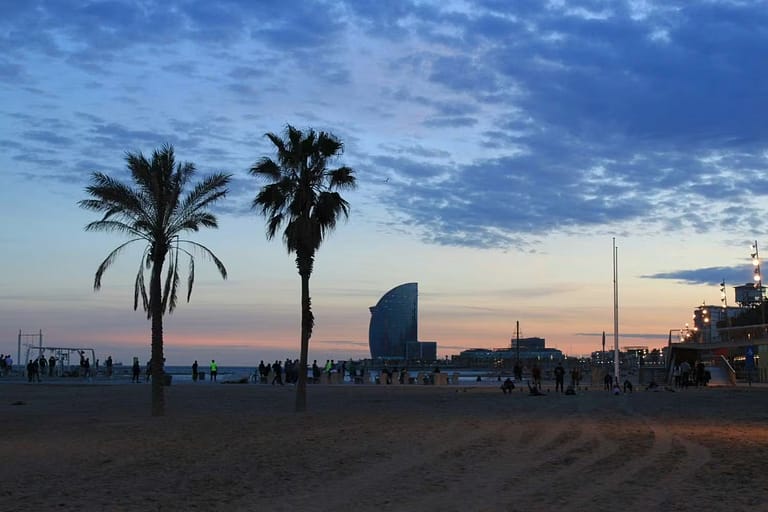
Barcelona beaches are integrated directly into the urban fabric, offering everything from high-energy social hubs to more relaxed, sports-orientated stretches. Barcelona Beach is the city’s most famous and accessible beach, known for its lively atmosphere and proximity to the old fishing quarter. Lined with “chiringuitos” (beach bars) and seafood restaurants. Popular for people-watching, street performers, and casual swimming. Platja del Bogatell is a wider, cleaner alternative to Barcelona, favoured by locals looking for a bit more space. Features numerous volleyball courts and ping-pong tables. Generally quieter than the central beaches, making it ideal for sunbathing.
Madrid: Art, History and Nightlife
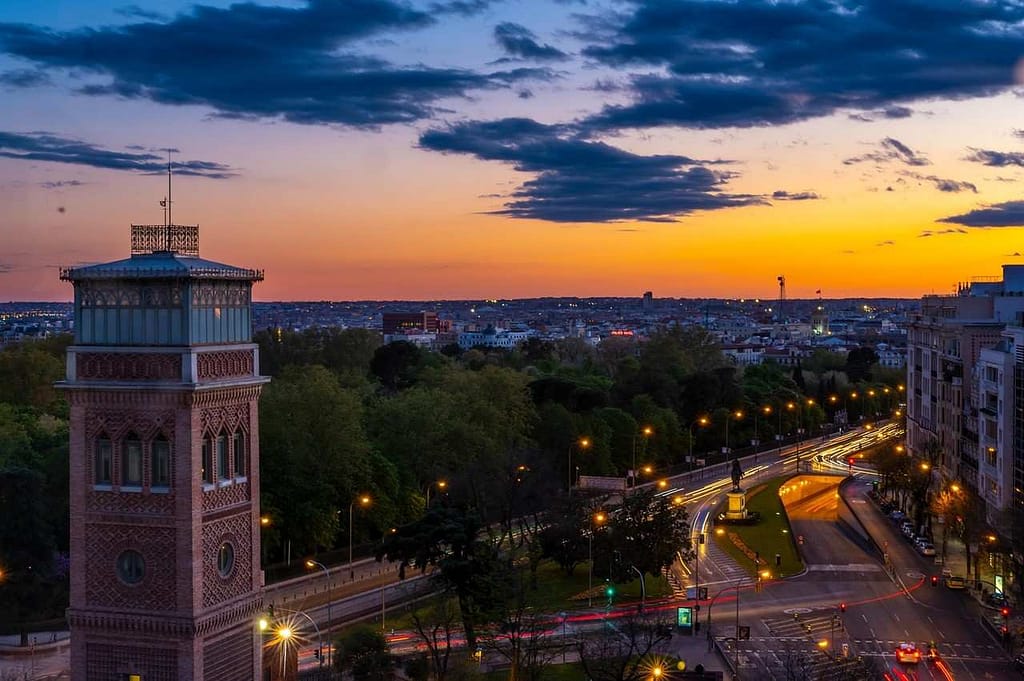
Madrid is a city of grand boulevards and world-class museums and a legendary social energy that keeps its streets alive until dawn. While Barcelona is often defined by its coasts and Gaudí, Madrid is the sophisticated, royal heart of Spain.
The Golden Triangle of Art
Madrid is arguably the Art capital of the world, home to three major museums located within walking distance of each other along the Paseo del Prado. Museo del Prado is one of the world’s premier Art galleries. It houses the finest collection of Spanish Art, including masterpieces like Velázquez’s Las Meninas and Goya’s haunting Black Paintings. Reina Sofia decided on 20th-century art. Its most famous inhabitant is Picasso’s Guernica, a massive, moving mural depicting the horror of the Spanish Civil War. Thyssen-Bornemisza fills the gaps between the other two, offering a vast private collection that spans from 13th-century Italian primitive to modern American Pop Art. The cities that Never Sleep (nightlife): Madrid nightlife is less about “clubs” and more about a social marathon that starts with tapas and ends with chocolate and churros at 6:00 AM.
Malasaña: The birthplace of La Movida Madrileña (the counter-cultural movement of the 80s). It’s now a hipster hub filled with vintage shops, indie bars, and rock and roll dives.
La Latina: The place to be on Sunday afternoon and weekend night. It’s famous for Cava Baja, a street lined almost entirely with traditional tapas bars. Teatro Kapital is known for the “mega-club” experience. This world-famous Venue features seven different floors, each playing a different genre of music.
Seville-Flamenco , history and culture
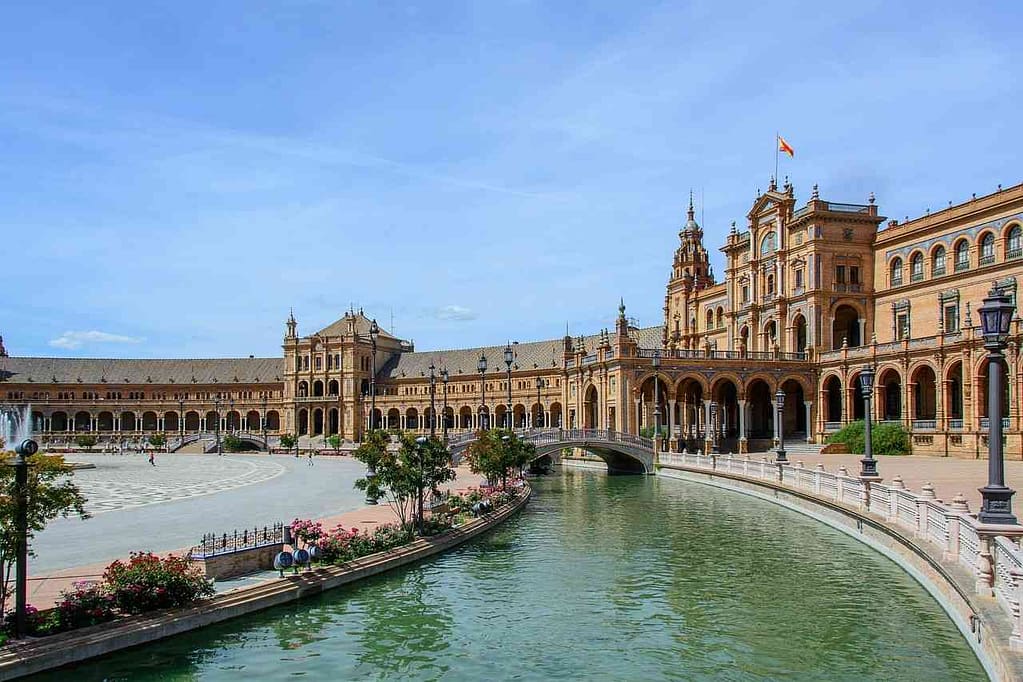
Seville is widely considered the heart of Flamenco, an art form so deeply woven into the city’s identity that it has been recognised by UNESCO as an Intangible Cultural Heritage of Humanity. Its origins are a complex tapestry of cultures, emerging from the Gitano communities and blending Moorish melodies. Jewish psalm and Andalusian folk traditions.
The History and Culture of Flamenco in Seville
Flamenco originated as a “lament” to express the hardships, pain, and joy of marginalised groups. While it began in family gatherings and private celebrations, it entered the public sphere in the mid-19th century through cafés cantantes (singing cafés). The Triana district, located across the Guadalquivir River, is historically celebrated as the birthplace of this art form, from where it evolved in the courtyard of a crowded tenement.
Cultural centers and museums
For those looking to dive into the technical and historical aspects of the dance, Seville offers dedicated spaces that combine education with performers. The Flamenco Dance Museum is a premier destination for understanding the evolution of the art form, founded by the legendary dancer Cristina Hoyos. Located in an 18th-century building, it features interactive exhibits detailing the history, costumes and styles of flamenco. Offers nightly live shows in an intimate courtyard setting, often cited by visitors for their emotional intensity. House a specialised school where visitors can take introductory workshops or professional classes. Casa de la Memoria Centre Cultural Flamenco focuses on preserving the “pure” roots of Flamenco within historic 16th-century courtyard houses. Performances take place in a small, traditional theatre without the use of microphones or speakers to ensure an authentic sound. Features a small museum area dedicated to the History of Flamenco and its connection to Andalusian culture Renowned for showcasing high-level artists, including winners of National Flamenco awards.
Historical Landmarks and their significance
Seville architecture reflects its layers of History, from its Roman foundation to its time as a major Islamic capital and later the gateway to the Spanish Empire.
Royal Alcazar of Seville
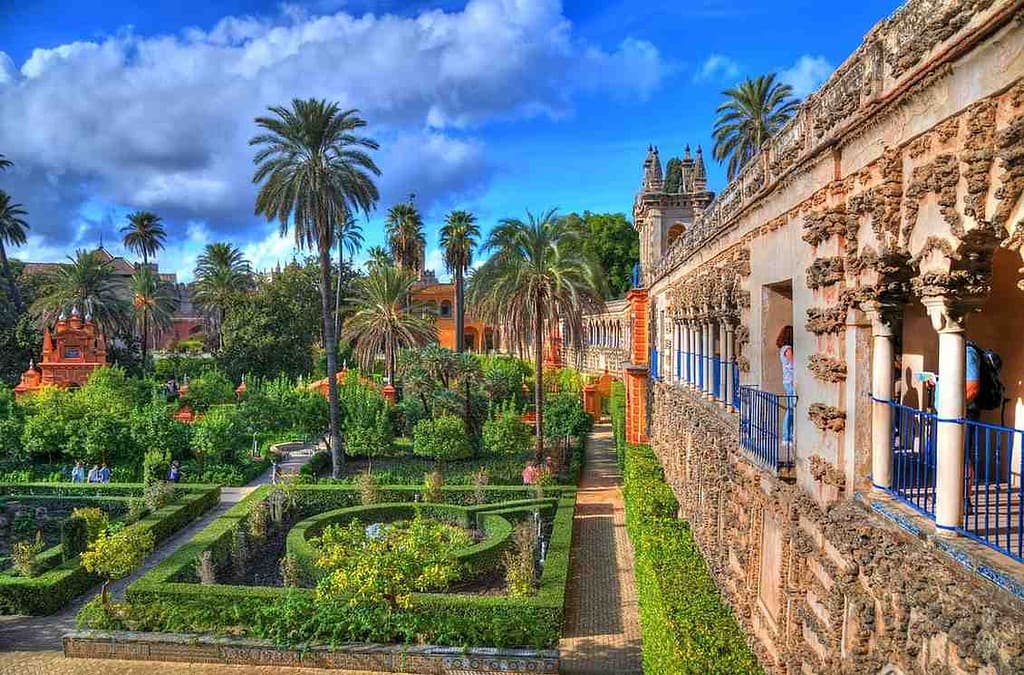
It is the oldest royal palace still in use in Europe and a masterpiece of Mudejar architecture. Exhibits a unique blend of Islamic and Christian design, featuring the famous Patio de las Doncellas (Patio of the Maiden). Encompasses a sprawling garden with a fountain, tile-covered benches, and peacocks roaming the ground. It was a primary filming location for various historic drama and fantasy series due to its well-preserved mediaeval aesthetic.
La Giralda
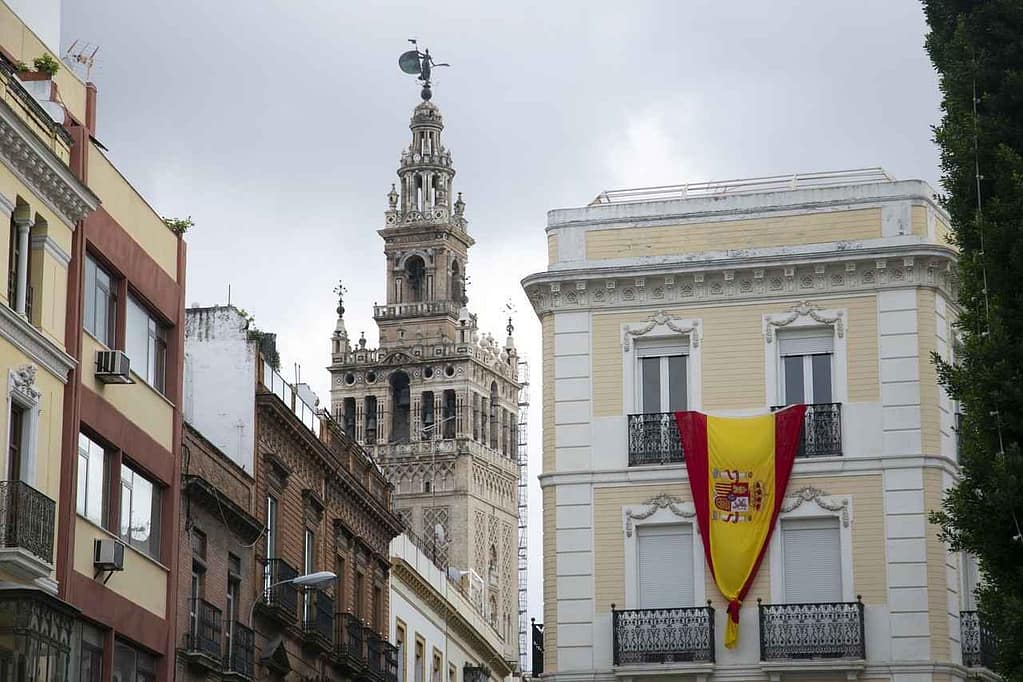
La Giralda stands as a symbol of the city’s religious transition, originally built as the minarets for the Great Mosque of Seville. The interior features a series of 35 ramps instead of stairs, designed so the muezzin could ride a horse to the top for the call to prayer. Topped with a Renaissance-style bell tower added by Christian after the Reconquista. Provide panoramic views of the entire historic centre, including the surrounding Gothic Cathedral.
Granada-Alhambra and Moorish heritage
Granada is the final stronghold of the Moorish Empire in Spain, and its identity is defined by the transition from Islamic rule to the Christian Reconquista. The city is a sensory journey of ‘water, light, and geometry’. ”.
The Alhambra: A “Geode” of Architecture
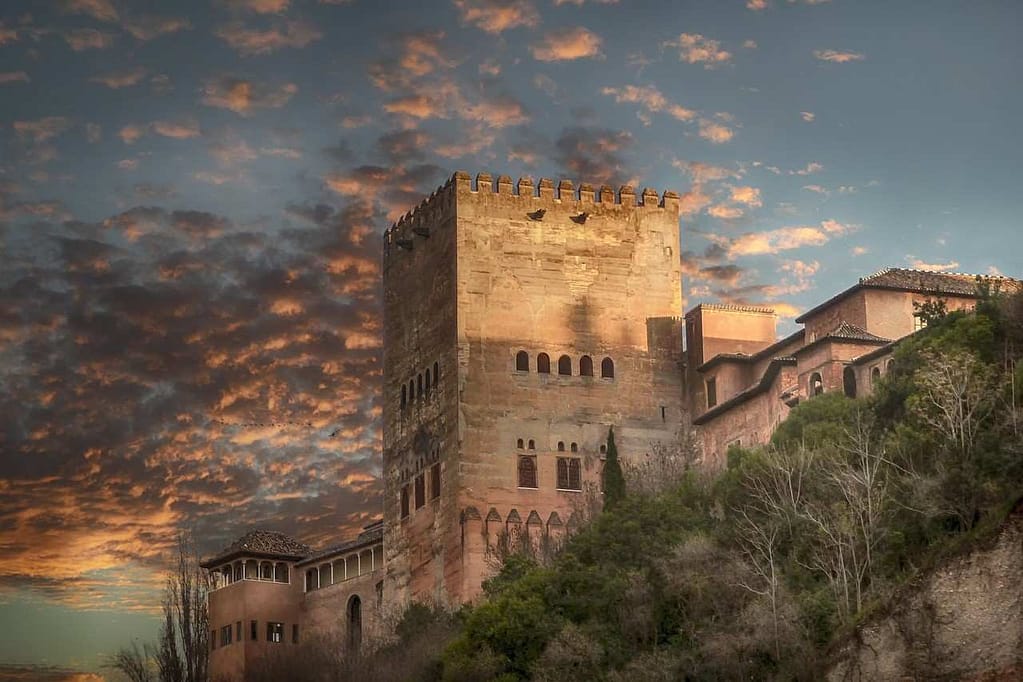
It is often described as a geode – rough and fortified on the outside but shimmering and delicate on the inside – the Alhambra of Islamic rule in Europe.
Nasrid Palaces: The heart of the complex, featuring the court of the Lions. This courtyard is famous for its central fountain supported by 12 marble lions and its surrounding “forest” of 124 slender columns.
Look up to see muqarnas – honeycomb-like stucco saluting that mimics the caves where the prophet Muhammad received his first revelation.
The Alcazaba: The oldest part of the
, this military fortress offers the best panoramic views of the city and the Sierra Nevada mountains from the Torre de La Vela (watchtower).
Generalife: The ‘Garden of the Architect’ located just outside the main wall. It was a summer palace designed for relaxation, where the sound of flowing water from the Patio de la Acequia (court of the water Channel) was used as a form of natural air conditioning.
Ibiza – Beach and party
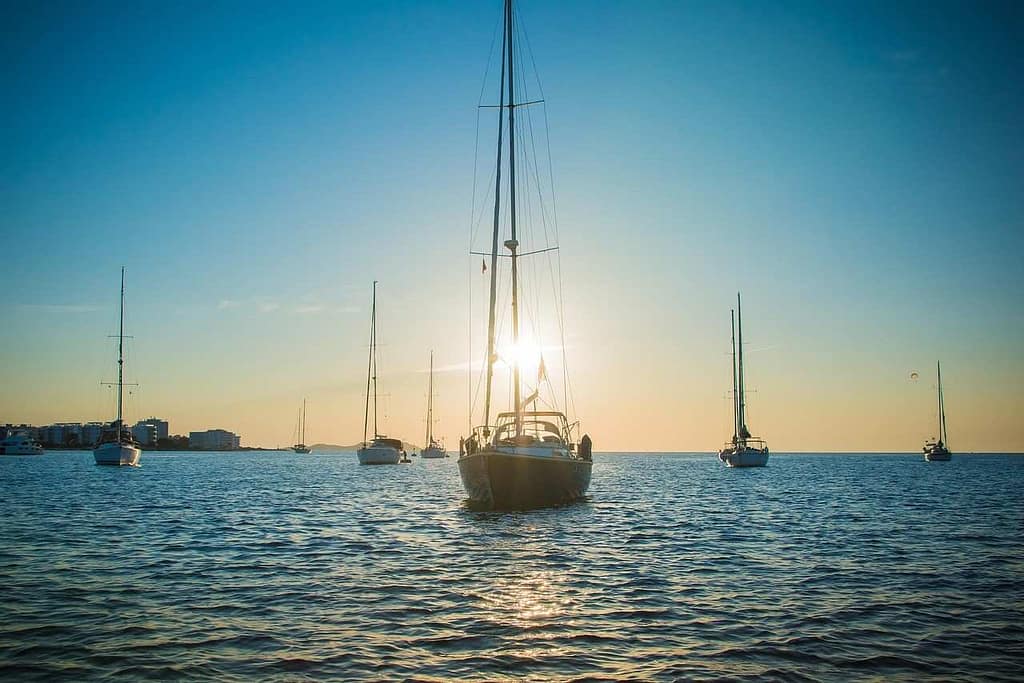
Ibiza is an island of two distinct souls: a sanctuary of turquoise waters and hidden coves and a world-renowned epicentre for electronic music and nightlife.
Legendary Beaches and coves
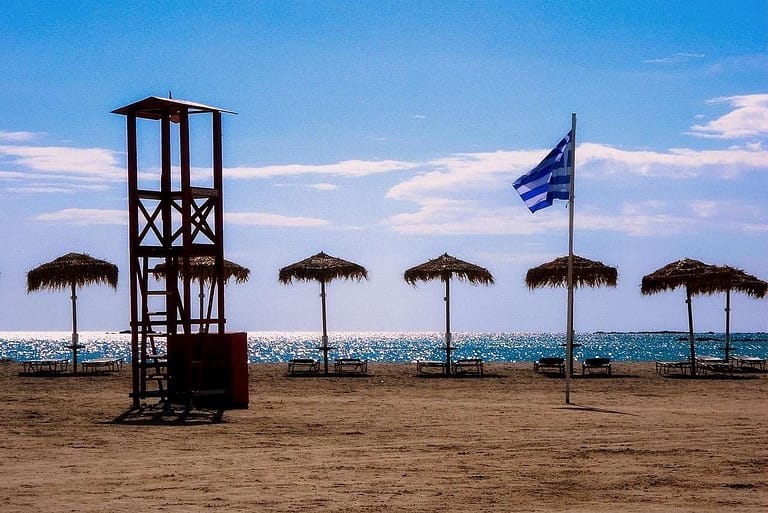
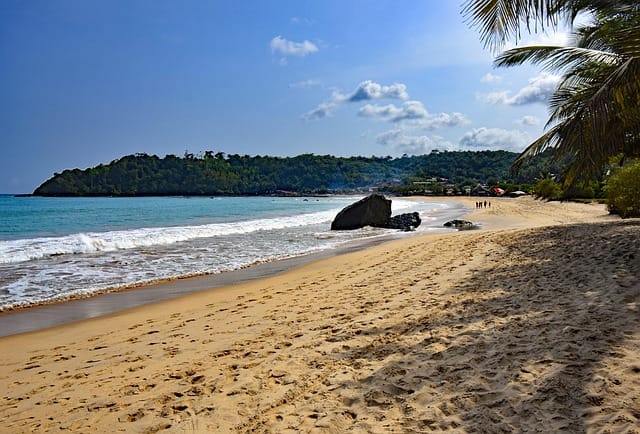
The Ibiza coastline ranges from long, energetic stretches of Sand to rocky, “secret” inlets known as calas.
Cala comte: Widely considered one of the most beautiful spots on the island, this beach is famous for its bright turquoise water and offshore island. It is a premier spot for watching the sunset.
Playa d’en Bossa: The longest beach on the Island and the heart of the party scene. It is lined with famous beach clubs like Ushuaia and Nassau, where the music starts in the early afternoon.
Read More–Blog Destination Outdoor